Birth Certificate Translation For Immigration Visas
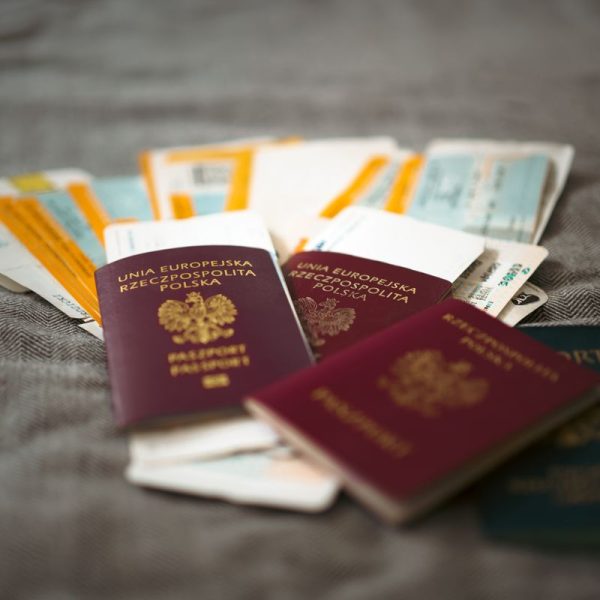
A visa officer once returned an entire immigration file because the translated birth certificate listed a parent name spelled differently from every other document in the same folder.
Why Immigration Offices Punish Careless Certificate Translation
Immigration offices reviewing foreign applicants rely on birth certificates that match every other name and date across a file exactly. A certificate translated without attention to spelling and formatting conventions often leaves a caseworker questioning the whole submission rather than approving it.
Applicants who discover this gap after filing often watch a straightforward case stall for weeks because nobody can confirm why a translated name does not match the passport spelling already on record.
Working With Real Birth Certificate Translation
Applicants preparing immigration and visa files increasingly rely on genuine birth certificate translation handled by linguists who understand how to render names and dates in a format an immigration office actually expects to see.
A structured provider also keeps spelling and formatting consistent across every document a family submits so an entire case file reads as one coherent record rather than a set of mismatched papers.
Consistency across a folder is far easier when one provider handles all of it. Agencies working on civil registry paperwork usually publish the document types they cover, and PoliLingua lists birth, marriage, divorce and death certificates among them. Splitting the certificates between two vendors is how a family ends up with two spellings of the same parent name. Keep the whole set with whoever handled the first one.
Reaching New Residents With Real Driving License Translation
Applicants preparing to settle in a new country increasingly need dedicated driving license translation handled by linguists who understand regional formatting requirements rather than a generic vendor unfamiliar with local phrasing.
A provider without this specific regional understanding may produce a translation that reads correctly yet still misses the nuance a licensing office genuinely expects from a serious relocation packet.
Businesses relocating staff from Arabic-speaking countries run into the same folder problem at company scale, because every dependant's certificate has to match the employee's file exactly. A clear business translation services checklist gives HR and relocation teams one place to track which documents are translated, certified and checked. That structure keeps a family's paperwork consistent from the first certificate to the final visa submission. It also saves the last-minute scramble when an officer asks for a document nobody had on the list.
What Separates A Clean Certificate From A Confusing One
The difference rarely shows up during the initial upload. It shows up weeks later in a request for clarification nobody can fully explain.
A clean certificate runs every name and date through a linguist familiar with civil registry conventions rather than treating each translated entry as a simple word for word swap between two languages.
A confusing certificate treats translation as an afterthought handled by whoever happens to be available before a filing deadline. This approach may work for an internal draft but consistently fails once an officer compares it against the passport already on file.
Building A Vetting Process Before Filing Season Peaks
A short trial engagement on a single certificate often reveals more about an immigration translation partner than a lengthy proposal document ever could.
Applicants evaluating a new translation partner should request a sample certificate reviewed against actual civil registry conventions rather than accepting a polished pitch that reveals little about accuracy under real caseworker scrutiny.
Asking how a provider tracks evolving formatting standards and transliteration rules reveals whether they maintain current knowledge of what a serious birth certificate must deliver across each country involved.
Training Applicants To Spot Translation Risks Early
Applicants who understand basic signs of a risky translation catch problems long before a certificate ever reaches an immigration office. Inconsistent name spelling should never survive an internal review unnoticed by either side of the process.
Birth certificate translation for immigration visas is the paperwork that precedes every other kind of settling in. Vehicle ownership follows soon after, and a reliable car battery charger saves a new arrival from the worst kind of first week. Small kit prevents disproportionate disruption.
Families who run a short check of translated documents often notice fewer filing delays and far smoother approval steps across every new country they apply to over time.
Visa files move at the speed of their slowest attachment, and that is usually whatever needs an official stamp. Translation can be arranged remotely; historically the certification step could not. Widely available online notary services have removed that asymmetry for most applicants.
The Hidden Cost Of Weak Certificate Translation
Weak certificate translation rarely causes damage that stays contained to one file. The real cost surfaces later when an officer starts scrutinizing every future submission from that same family after one jarring inconsistency.
Correcting this kind of impression after the fact costs far more than establishing a reliable translation process before the first certificate ever reaches an immigration office.
Preparing Documents Before A Filing Deadline
Families who gather every certificate and supporting record days ahead of a deadline give their language partner enough time to verify formatting conventions while the population of countries hosting large numbers of international migrants keeps growing every year.
A short planning call at the start of a filing cycle often uncovers additional formatting requirements that would otherwise surface too late for proper handling once a deadline is already close.
Reviewing Translation Habits On A Regular Schedule
Families who revisit their translation workflow only after a filing delay surfaces tend to repeat the same mistakes every application cycle. A regular review catches drift before it turns into a confusing certificate.
A short check of spelling consistency across recent documents often reveals small inconsistencies that a busy applicant would otherwise miss until an officer flags them during an unrelated review of submitted records.
Setting Realistic Timelines For Every New Application
Families who rush a translation schedule to hit an arbitrary filing date often sacrifice the review pass that would have caught an awkward spelling mismatch before an officer ever read it. A realistic timeline treats certificate translation as a core immigration step rather than a task squeezed into whatever days remain before a deadline.
Building in extra review time for a first filing in a new country pays off across every future filing in that same country because early formatting choices shape the workflow a family will reuse for years.